
In the demanding world of chlor-alkali chemical production, where corrosive substances and extreme conditions are the norm, one component stands out as absolutely indispensable: the high-performance butterfly valve. These valves are not just simple flow controllers; they are the guardians of safety, efficiency, and reliability in some of the most challenging industrial environments. Let’s dive into why these valves are so critical and how to choose the right ones for your chlor-alkali plant.
Why High-Performance Butterfly Valves Are Essential
Chlor-alkali plants deal with highly reactive and corrosive chemicals such as chlorine gas, caustic soda, and hydrochloric acid. These substances demand valves that can withstand extreme conditions while ensuring zero leakage to protect personnel and the environment. High-performance butterfly valves are engineered to meet these stringent requirements, making them the backbone of chlor-alkali operations.
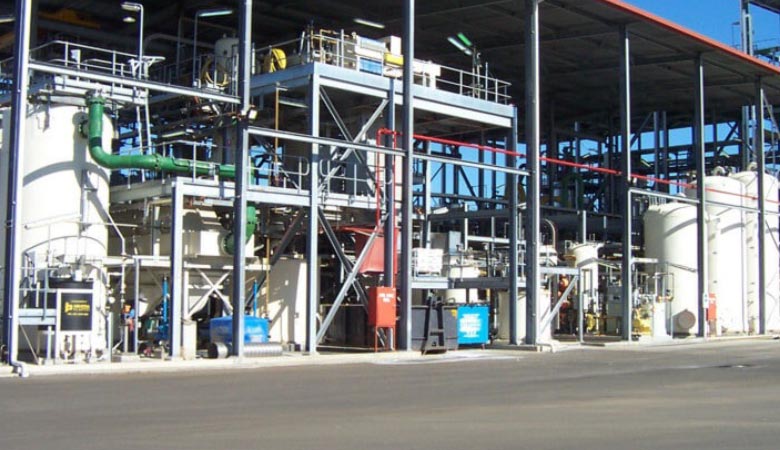
Key Applications in Chlor-Alkali Plants
1. Electrolysis Process (Brine Electrolysis):
- Applications: Handling wet chlorine gas, hydrogen, and caustic soda (NaOH) solutions.
- Valve Requirements: PTFE or PFA-lined bodies to resist corrosion, triple eccentric metal seals or fluoropolymer soft seals for zero leakage.
- Advantages: Withstand extreme pH levels and chlorides, ensuring safety with hazardous gases.
2. Chlorine Gas Drying and Compression:
- Applications: Managing dry chlorine gas after sulfuric acid drying and in compressor systems.
- Valve Requirements: Hastelloy C276 or titanium-clad valves for chlorine and sulfuric acid resistance, fire-safe and vacuum-rated designs.
- Advantages: Resistant to sulfuric acid and chlorine gas, maintains integrity under varying pressure conditions.
3. Hydrochloric Acid (HCl) Synthesis:
- Applications: Used in HCl reactors, absorption towers, and transfer lines for concentrated acid.
- Valve Requirements: Rubber-lined (EPDM) or PTFE-coated internals, pneumatic actuation for rapid shutoff.
- Advantages: Exceptional resistance to high concentrations of HCl, minimizes acid stagnation and crystallization.
4. Caustic Soda (NaOH) Evaporation and Storage:
- Applications: Handling high-temperature NaOH in evaporators and storage tanks.
- Valve Requirements: Nickel alloys (Alloy 20) or duplex stainless steel, graphite-reinforced seals for alkali resistance.
- Advantages: Resists caustic stress corrosion cracking, ensures smooth flow control for viscous solutions.
5. Waste Gas Treatment (Chlorine Scrubbers):
- Applications: Alkaline scrubbing systems and ventilation ducts.
- Valve Requirements: FRP or PVDF valves for acidic/alkaline media, lightweight design for easy installation.
- Advantages: Immune to chemical attack in scrubber environments, low-maintenance.
6. Cooling and Utility Systems:
- Applications: Cooling water circuits and steam lines.
- Valve Requirements: 316L stainless steel with EPDM seats, high-Cv design to minimize pressure drop.
- Advantages: Energy-efficient flow regulation, long service life in challenging water conditions.
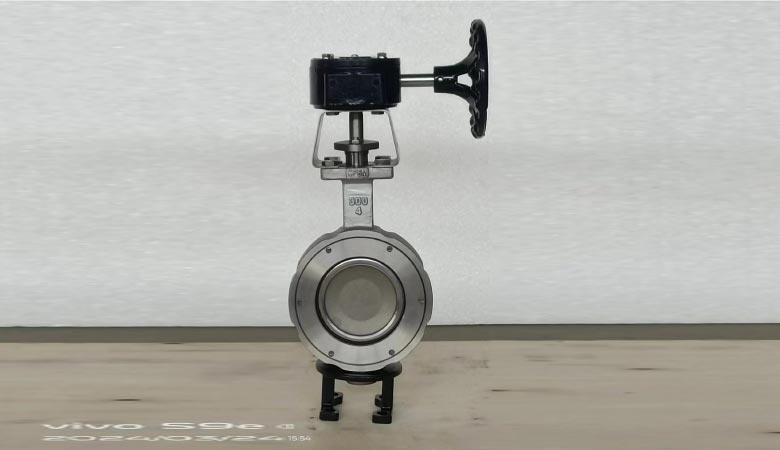
Key Selection Criteria for High-Performance Butterfly Valves
Choosing the right valve is crucial for optimal performance and safety:
- Corrosion Resistance: Select materials like PTFE, PFA, Hastelloy, or titanium based on the specific chemicals involved.
- Temperature and Pressure Ratings: Ensure valves can handle the process conditions (e.g., 150°C, 16 bar).
- Sealing Performance: Opt for fire-safe, bubble-tight seals for hazardous gases like chlorine.
- Actuation Type: Choose electric or pneumatic actuators for automated control in DCS-integrated plants.
Maintenance Best Practices
Regular maintenance is essential to keep these valves in top condition:
- Inspection: Check linings for cracks and seals for wear every 6–12 months.
- Cleaning: Flush valves handling slurries or crystallizing media regularly.
- Spare Parts: Stock critical components like seats and stems to minimize downtime.
Conclusion: The Indispensable Valve in Chlor-Alkali Plants
High-performance butterfly valves are not just components; they are critical assets in chlor-alkali plants. Their ability to handle corrosive media, extreme temperatures, and provide reliable sealing makes them indispensable for safe and efficient operations. By selecting the right valves and implementing proper maintenance, plant operators can ensure compliance with safety standards, minimize downtime, and maximize productivity. Contact Shengfei today for high-quality butterfly valve solutions tailored to the chlor-alkali plants processing needs.
Web: www.shengfeimachinery.com
Mail: sales@shengfeimachinery.com